

Durham City Centre Hideaway
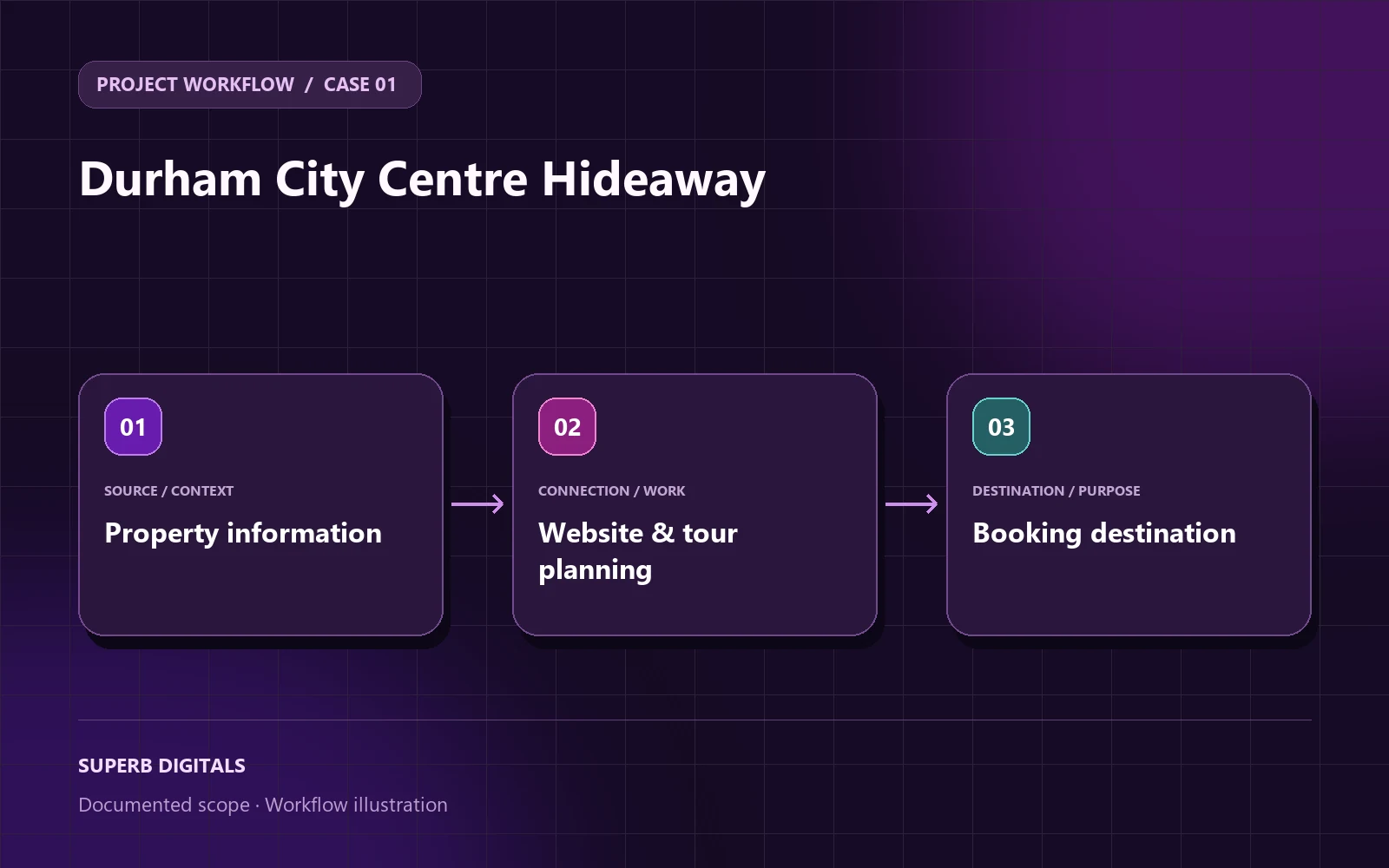
A single-property website connecting accommodation storytelling, virtual-tour planning and a clear booking journey.
Project overview.
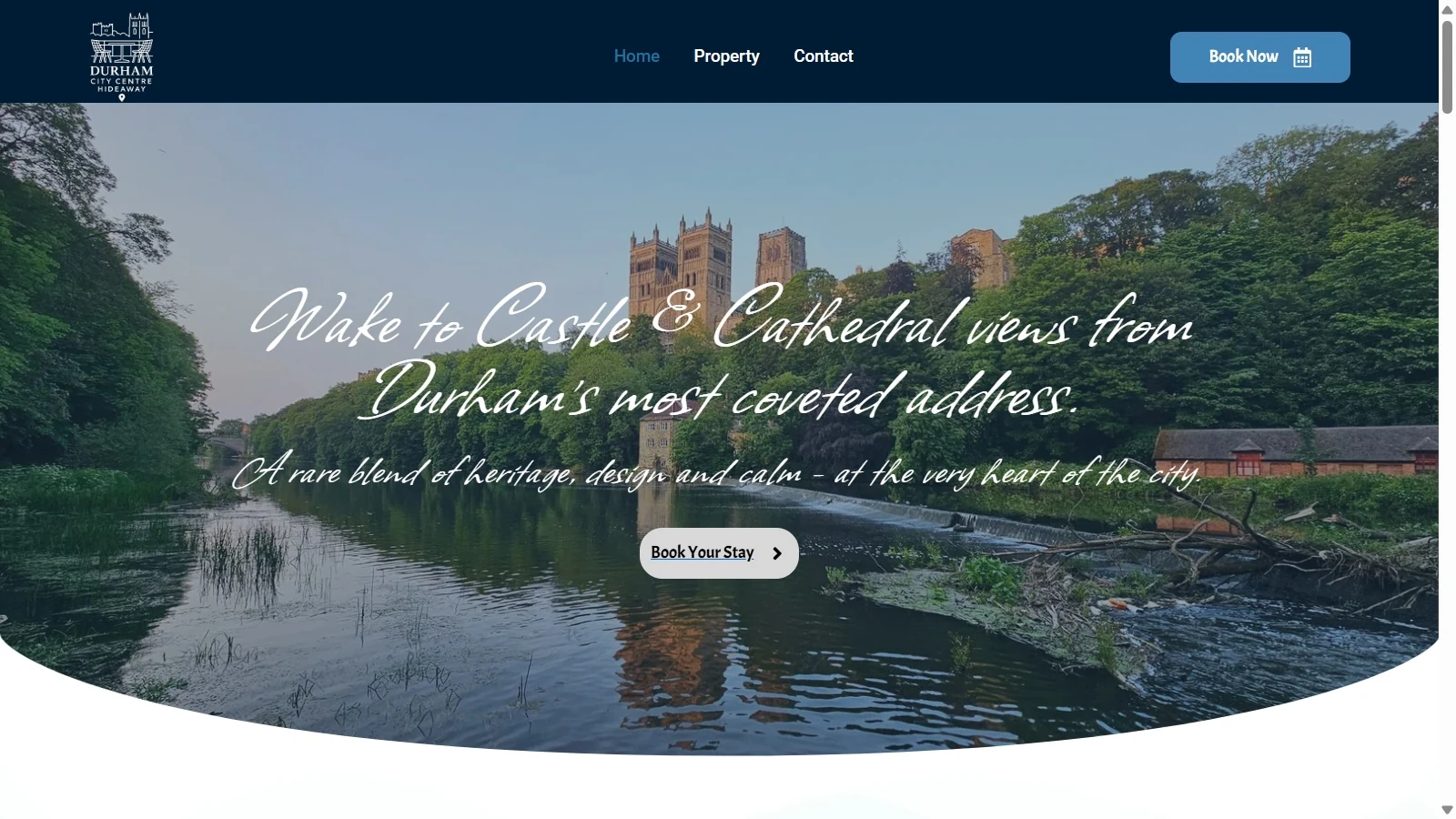
From a marketplace listing to an independent property website.
For Durham City Centre Hideaway, creating a website was about more than presenting a beautiful holiday rental. The owners wanted a direct relationship with their guests, a stronger online identity and a simpler way for returning visitors to book without relying entirely on third-party accommodation platforms.
Superb Digitals developed a dedicated website for the property, bringing together its distinctive character, accommodation details, guest reviews, visual experiences and a booking-focused visitor journey.
The result is a live digital home for a premium short-term rental in the historic centre of Durham, England.
- Client: Durham City Centre Hideaway
- Location: Durham, United Kingdom
- Industry: Hospitality and Short-Term Accommodation
- Services: Website Design & Development, Booking Experience, Content Architecture
- Hosting: Hostinger
- Existing booking channels: Airbnb and Booking.com
- Project delivered: June 2026
- Website: https://durhamcitycentrehideaway.com/
What needed to change.
Building a Direct Relationship With Guests
Durham City Centre Hideaway was already being marketed through accommodation platforms, including Airbnb and Booking.com.
These platforms helped guests discover the property, but the owners also wanted their own website, particularly for people who had stayed before and might prefer to return directly.
The website needed to communicate what made the property special while giving potential guests a clear next step.
There were several priorities.
Creating an independent booking destination
The owners wanted a website they could share with previous guests and interested visitors, reducing their dependence on marketplace listings for every customer interaction.
Presenting the property beyond a standard listing
The Hideaway’s location, private terrace, cathedral views and carefully designed interiors deserved more room for storytelling than a simple listing summary.
Making the booking journey clear
Visitors needed to find accommodation information, explore the property, check dates and move towards booking without navigating a confusing website.
Considering availability across existing channels
The client wanted the website to work alongside existing Airbnb and Booking.com reservations. Avoiding conflicting availability and double bookings was an important integration requirement.
Establishing a consistent brand
The property needed a visual identity reflecting its premium but welcoming atmosphere, rather than looking like another generic holiday rental template.
Our approach started with understanding those business needs before deciding how the website should look.
A connected solution.
Putting the Property and Its Guests First
1. Discovery and Guest Research
We began by discussing the owners’ goals, existing accommodation listings, available photography, preferred brand direction and the type of visitors they wanted to reach.
The target audience included parents visiting Durham University students, university professionals, tourists and guests looking for a comfortable, well-located stay.
This shaped the website’s priorities. Instead of filling the homepage with generic hospitality promises, the content needed to explain the experience guests could expect.
The city-centre location, terrace, views, parking and carefully considered interiors became central to the property’s presentation.
2. A Visual Identity That Reflects the Accommodation
The design brief called for navy blue, white, warm wood tones and restrained gold and orange accents.
These choices reflected the property itself: contemporary interiors, natural materials, warmth and a sense of understated luxury.
The goal was to make the website feel like an extension of the accommodation rather than a separate marketing product.
Strong imagery, readable content, generous spacing and prominent booking actions helped create a straightforward experience.
Implementation, step by step.
Guest experience and website development
3. Property Storytelling Through Photography and Virtual Tours
Guests booking accommodation online need confidence in what they are choosing.
The project brief included professional photography, a 360-degree virtual tour and drone footage as visual resources.
We organised the website around the opportunity to show the property, its surroundings and its most distinctive features.
The live website includes a dedicated virtual-tour section alongside property descriptions, photographs and amenity information.
The emphasis was on helping visitors understand the accommodation before committing to a stay.
4. A Booking-Focused Website Structure
A good holiday rental website should make it easy to move from interest to action.
The website presents the property through a clear homepage, dedicated accommodation information and a contact page.
Booking calls to action appear within the visitor journey, while the property page provides an interface for selecting check-in and check-out dates and the number of guests.
The experience was designed around a simple sequence:
Discover the property → Explore the accommodation → Review the details → Choose booking dates → Take the next step.
This gives guests a more direct journey than having to search through unrelated listings.
5. Planning Around Existing Booking Channels
Direct booking brings additional responsibility for availability management.
The owners already had listings on Airbnb and Booking.com and wanted a system that would prevent overlapping reservations.
That requirement formed an important part of the initial technical discussion.
For accommodation businesses, calendar synchronization must be approached carefully. It is not enough for a website to display available dates; the underlying booking systems must reliably exchange reservation and cancellation information.
Any operational integration should be validated across the connected channels before being relied upon for live bookings.
This distinction between a good-looking booking interface and a dependable reservation process is essential when developing hospitality websites.
What We Delivered.
What We Delivered
A Dedicated Property Website
The new website gives Durham City Centre Hideaway an independent online presence with its own domain, branding and visitor experience.
Rather than relying only on marketplace profiles, the owners have a destination they can share with prospective and returning guests.
A Property-Focused Homepage
The homepage introduces the Hideaway through its location, distinctive accommodation experience and prominent booking calls to action.
It also presents accommodation features, guest reviews and visual content to help visitors evaluate their stay.
A Detailed Accommodation Page
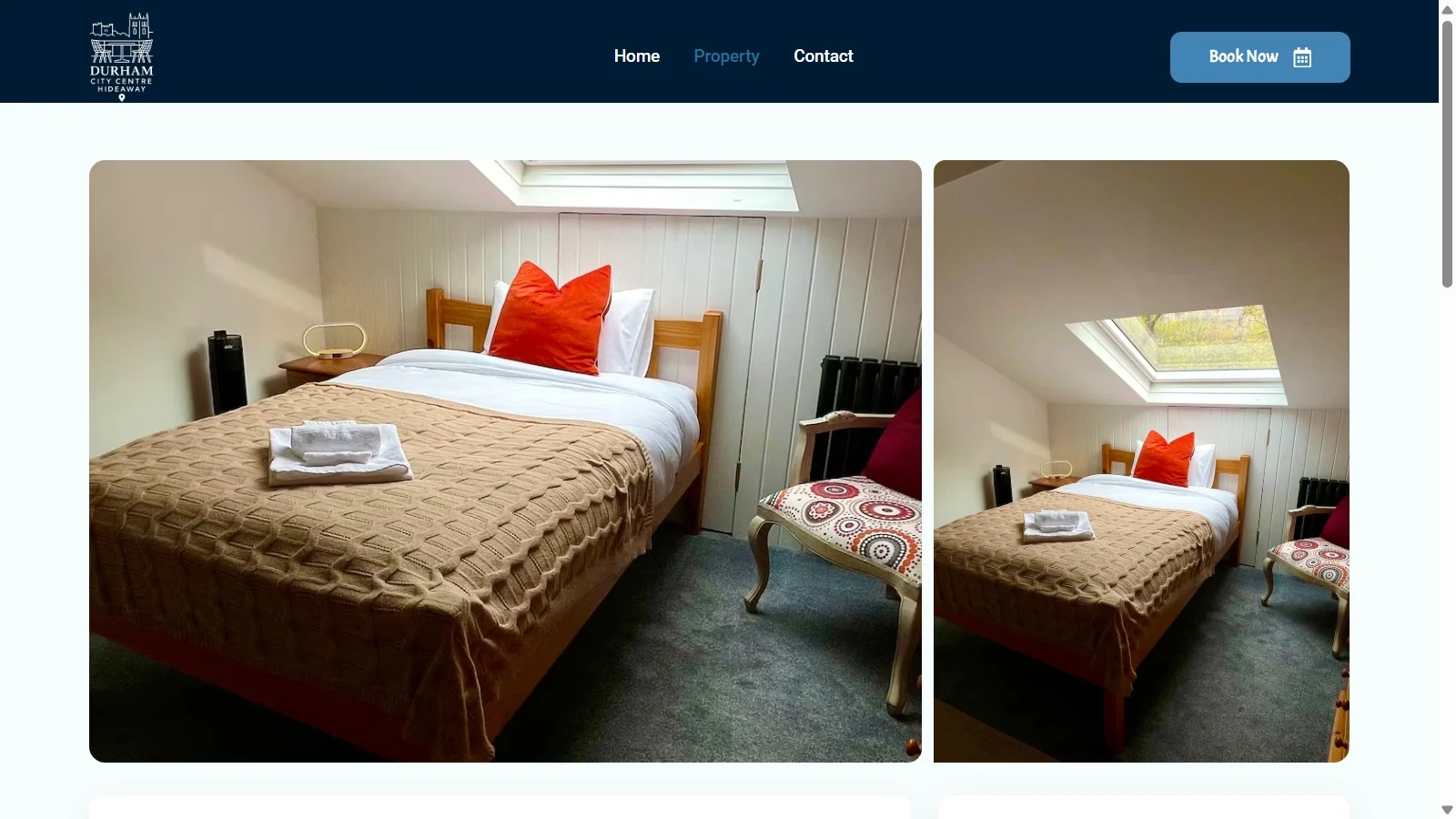
The property page brings together the essential information guests look for, including bedrooms, amenities, photographs, location context and booking controls.
This reduces the need to move between multiple websites simply to understand what the accommodation offers.
A Dedicated Virtual-Tour Section
The website includes space for an immersive property experience, reflecting the owner’s aim to help prospective guests explore the accommodation beyond conventional photographs.
Clear Contact and Booking Paths
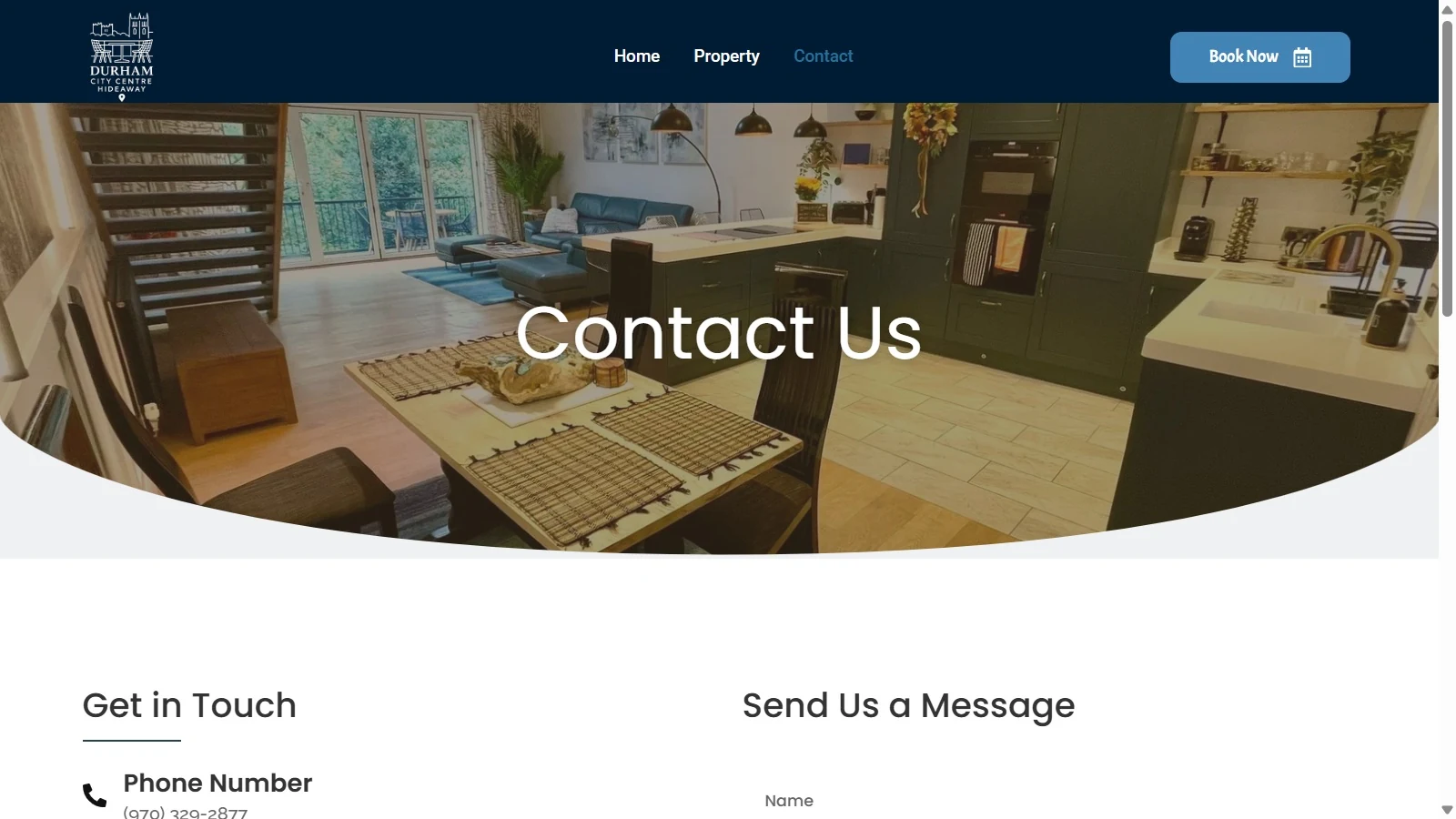
Visitors can navigate to the accommodation details, find contact information and use the on-site booking interface.
The website therefore supports both direct enquiries and booking-oriented visits.
A Foundation for Property-Specific Search Discovery
The page content identifies the accommodation by its name and location, and describes the features that differentiate it.
That creates a more useful information structure for people searching online than a generic promotional page with little property-specific detail.
Search performance, rankings and organic traffic would need separate measurement to establish the longer-term SEO impact.
A Live Website and Positive Client Feedback
The completed project gave Durham City Centre Hideaway its own publicly accessible website, with a branded homepage, property information, guest-facing content and a booking-focused experience.
The review particularly recognised the communication, attention to the brief, helpful suggestions and final website quality.
"The final result exceeded my expectations, both in terms of visual appeal and functionality."
That feedback matters because website development is not only about writing code or arranging page sections. It is also about understanding what the client is trying to achieve, communicating decisions clearly and creating something they feel confident using for their business.
The verified outcome is a completed website and a satisfied client. Booking growth, commission savings and search traffic improvements have not been independently measured for this case study.
What This Project Demonstrates
Durham City Centre Hideaway demonstrates our approach to hospitality website development: start with the business model, understand the guest journey and build a digital experience around the decisions visitors need to make.
It also illustrates three important principles.
A property’s website should have its own identity. A direct website creates space for storytelling, brand consistency and customer relationships beyond marketplace listings.
Design and booking functionality serve different purposes, but must work together. Visual presentation creates interest. Clear information and reliable reservation systems help turn that interest into action.
Trust depends on useful details. Authentic photography, clear accommodation information, visible contact options and genuine guest feedback can help visitors feel more confident about their decision.
For us, successful website development starts with solving a practical business problem. The design, technology and content should all support that purpose.
Project visuals.
 View image
Frequently Asked Questions.
Can a vacation rental business have its own direct booking website?
Yes. A vacation rental owner can operate an independent website with property information, availability and booking functionality. The appropriate setup depends on the booking software, payment requirements and existing reservation channels.
Can a direct booking website synchronize with Airbnb and Booking.com?
Yes, where compatible integrations are available. A property management system or channel manager can help coordinate reservations across multiple channels. The synchronization method and its reliability should be tested before accepting live bookings.
Why would a holiday rental owner need a separate website?
An independent website gives the owner more control over how the property is presented and how guests contact or book with the business. It can be especially useful for brand recognition, returning guests and direct enquiries, while existing marketplaces continue supporting discovery.
What should a professional vacation rental website include?
At minimum, it should present the property clearly, use authentic photographs, explain amenities and house policies, provide a straightforward enquiry or booking path and work comfortably across devices. Where direct booking is offered, accurate availability and secure payment handling are also important.
Building a Vacation Rental Website?
Whether you manage one holiday home, several short-term rentals or a growing property portfolio, your website should do more than display attractive photographs.
It should make your accommodation easy to understand, your business easy to trust and the next step easy to take.
Superb Digitals builds business-focused websites and connected booking experiences around the needs of property owners and their guests.
Explore our Web Development services: https://superbdigitals.com/web-development/
Discuss your project: https://superbdigitals.com/contact/
Superb Digitals. Innovate. Amplify. Thrive.
Related client work.
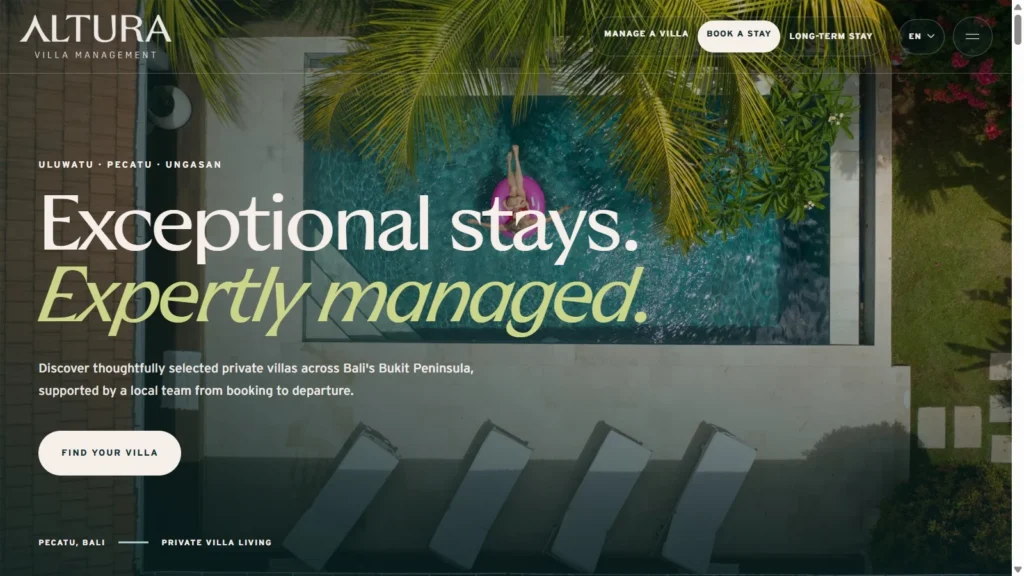 Web Development
Altura Villa Management
A branded Hostaway Pro guest experience aligned with a separate Wix villa-management website.
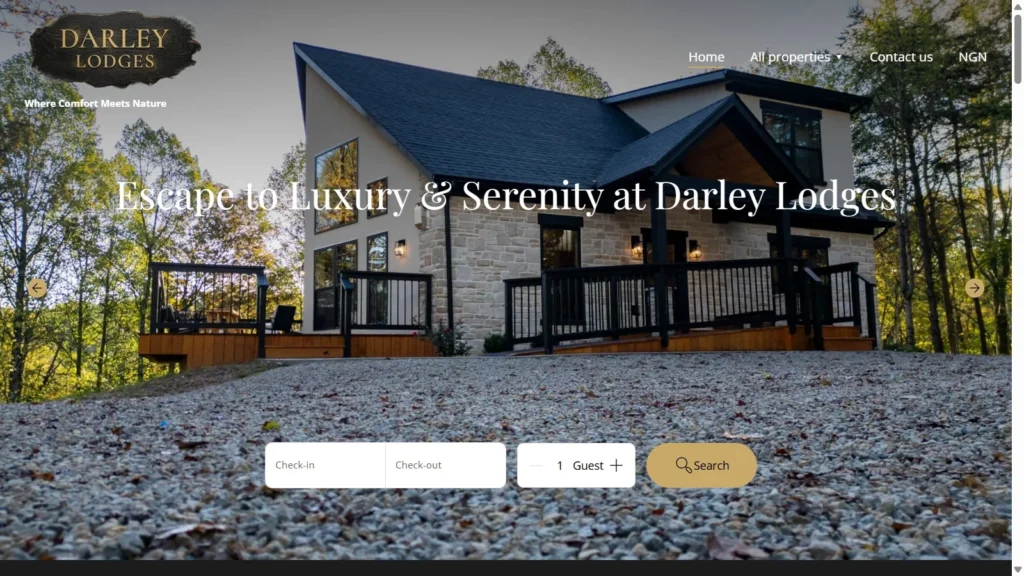 Web Development
Darley Lodges
A two-property Lodgify redesign focused on distinct cabin presentation and clear direct-booking navigation.
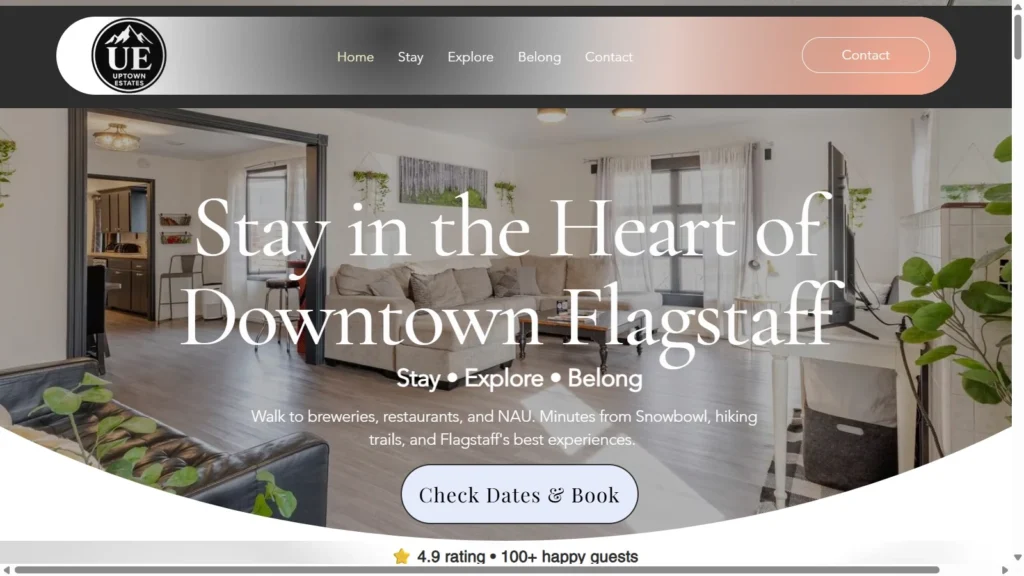 Web Development
Uptown Estates
Three rental choices, four-season Flagstaff content and a clear transition from Wix to Guesty reservations.