Framer AI Chatbot — YouTube Transcription & Analysis
The client wanted a chatbot where creators submitted a YouTube link, obtained a transcript and received structured analysis of the spoken content, including a custom four-prompt framework.
Project overview.
The client wanted a chatbot where creators submitted a YouTube link, obtained a transcript and received structured analysis of the spoken content, including a custom four-prompt framework.
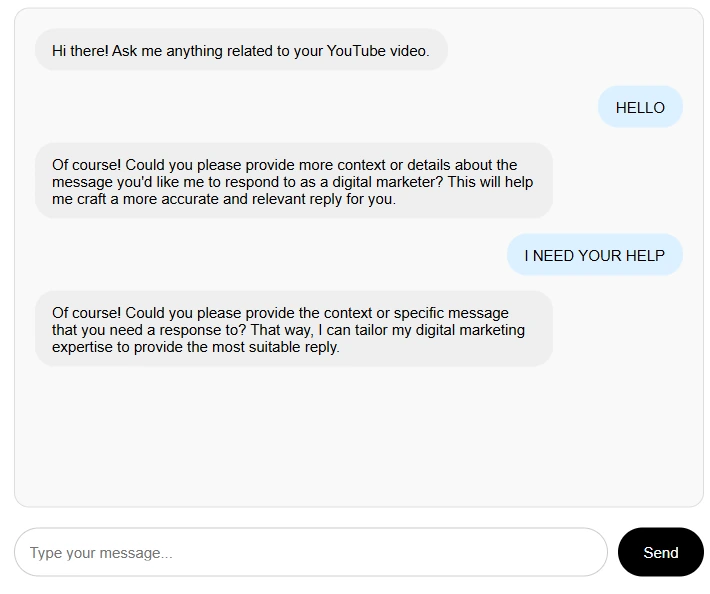
A creator-facing application needed to accept eligible YouTube URLs and produce structured insight from what the creator actually said. The user interface was a chat-style Framer experience, but the processing chain involved source access, audio preparation or transcript retrieval, transcription, GPT analysis and result formatting.
What needed to change.
The client rejected generic outputs and ultimately adopted four proprietary prompts instead of an earlier ten-section plan. Access restrictions meant that not every YouTube URL could be processed; later Replit billing access and Google Sheets user tracking introduced separate reliability issues.
A video URL is not automatically a transcript. The backend first needed an authorized and technically accessible way to obtain text or appropriate audio.
A connected solution.
We developed the Framer interface and a Python/Flask processing component, with Make.com coordinating Whisper-based transcription and GPT analysis when usable source material was available. An alternative transcript retrieval method was investigated when audio access proved unreliable. The four-prompt analytical framework was configured around transcript-grounded observations rather than invented visual claims. The output received interface formatting and mobile-scrolling refinements, while Google Sheets logging and account hosting remained subject to additional verification. Technology stack: Framer · Python/Flask · Replit · Make.com · Whisper · GPT · Google Sheets.
Implementation, step by step.
Returning-client requirements
A second, more complex project followed a successfully completed Google Sheets-to-WordPress engagement.
Frontend transition
The planned frontend moved from WordPress to Framer, changing how the user interface communicated with a backend.
Video processing backend
The developer reported a Python/Flask component that prepared YouTube audio for transcription; early working tests were followed by platform access challenges.
Make.com and Whisper
Make.com coordinated the audio processing and transcription stage; Whisper converted available audio to source text.
GPT prompt design
The client rejected generic feedback and revised an earlier ten-section analysis concept into four customized prompts.
User-facing formatting
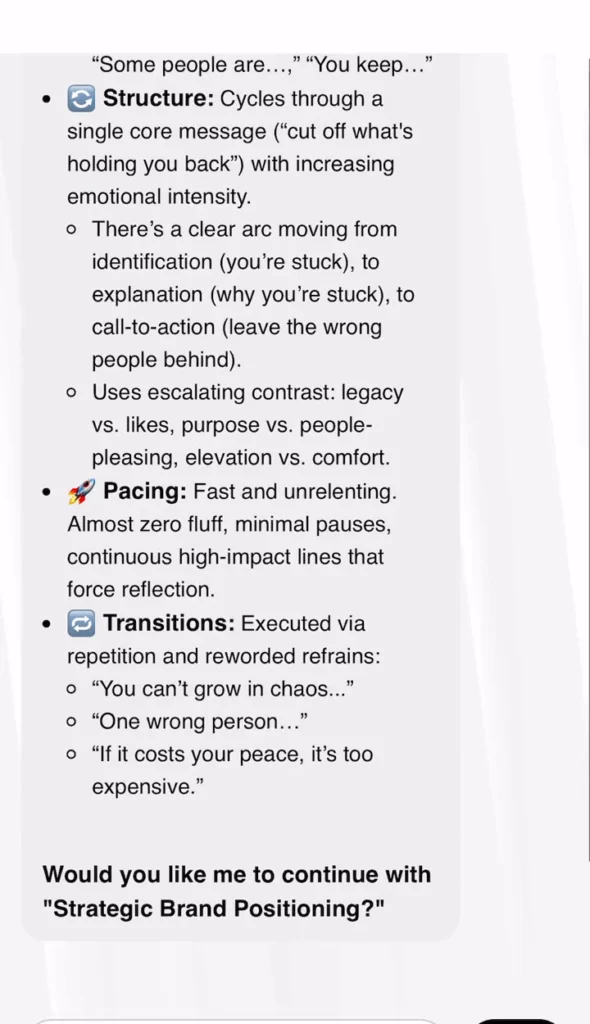
HTML-oriented output and Framer layout work involved mobile responsiveness, long responses and scrolling issues.
Deployment and billing
Replit and OpenAI account credits became operational dependencies; a September 1 message reported the bot was down due to billing-access problems.
Logging and features
Google Sheets logging was developed, but final section tracking and persistent IDs were not independently verified. TikTok/Instagram access remained an extension, not completed support.
Technical decisions, edge cases and validation
The client reviewed typography, chat alignment and long generated responses on smaller screens. Responsive formatting was an engineering requirement because analysis text was longer than typical chatbot messages. A September report that the bot was down during a Replit billing-access problem means permanent hosting cannot be claimed.
What We Delivered.
YouTube-focused transcript analysis and custom prompt development documented.
Technical lessons for comparable projects: Separate Framer presentation, backend extraction, transcription and GPT analysis into testable stages.
Ground AI findings in actual transcript content; do not imply visual analysis without visual input.
Treat source access and third-party billing as operational dependencies.
A delivered interface still needs separate verification for persistent user tracking and production uptime.
Project Highlights
Frequently Asked Questions.
Does Whisper open every YouTube link directly?
No. It needs accessible media input; source retrieval is a separate stage.
Why were four prompts used?
The client refined the earlier larger framework into four proprietary analytical stages.
Were TikTok and Instagram supported at launch?
They were discussed as extensions, not independently verified delivered features.
Was the backend permanently hosted?
The archived later Replit outage prevents that claim.
Building an AI chatbot around video content?
Tell us about your project and discuss the next steps with Superb Digitals.
Related client work.
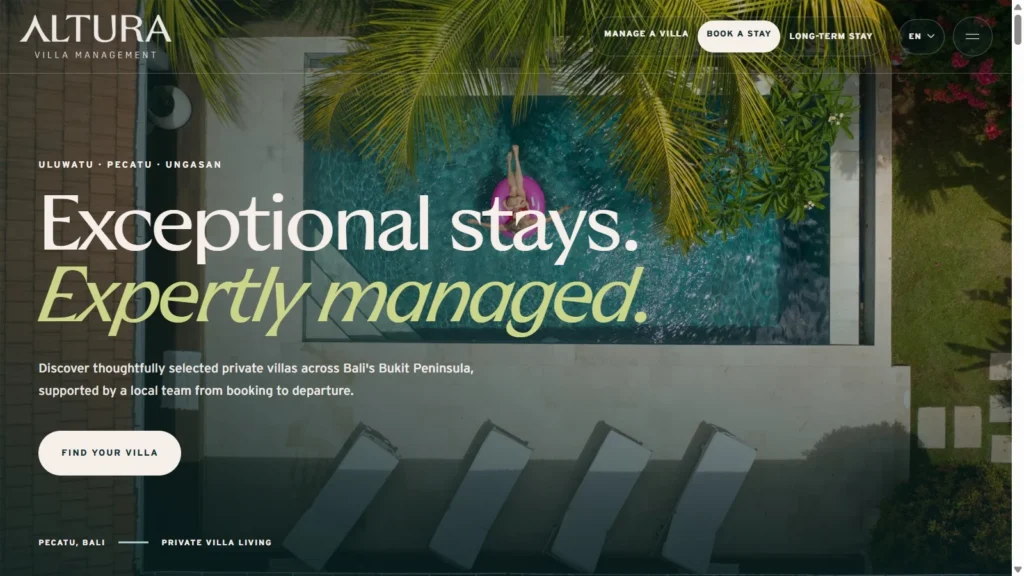 Web Development
Altura Villa Management
A branded Hostaway Pro guest experience aligned with a separate Wix villa-management website.
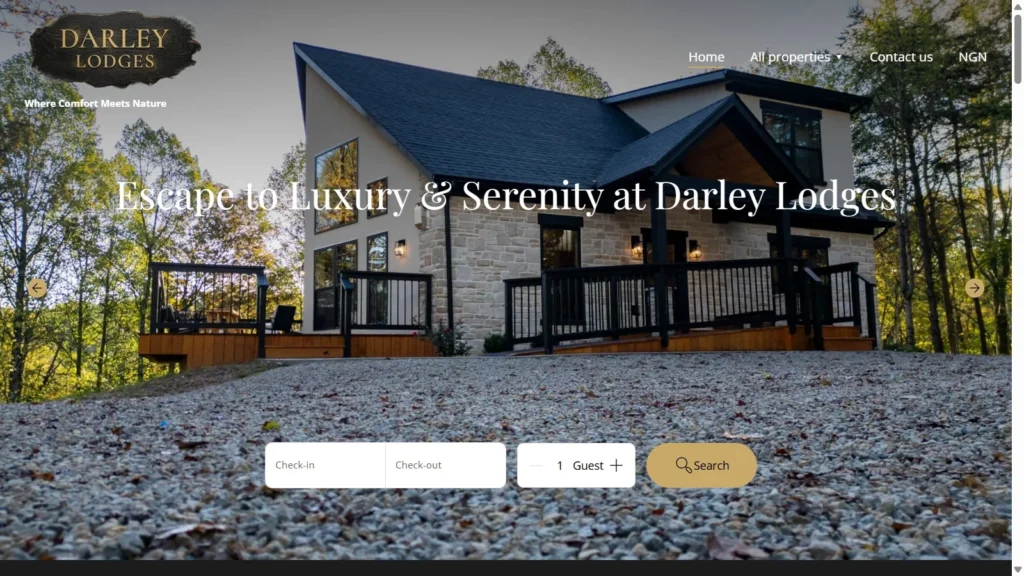 Web Development
Darley Lodges
A two-property Lodgify redesign focused on distinct cabin presentation and clear direct-booking navigation.
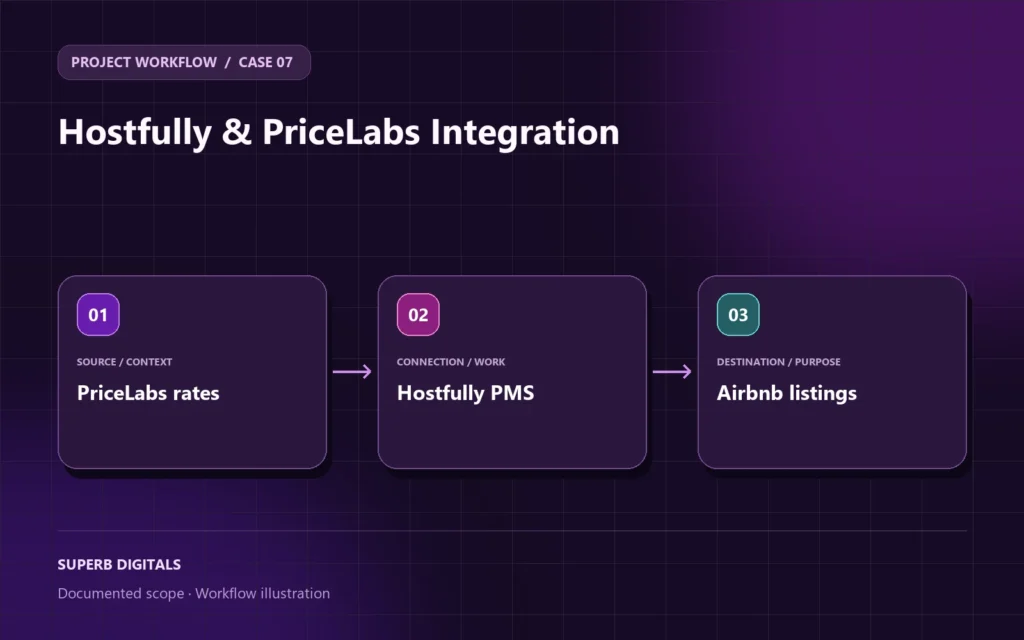 AI Automation
Hostfully & PriceLabs Integration
Two rental listings with different booking windows, connected pricing and practical stay-rule troubleshooting.