
WordPress Multilingual LMS — Make.com & AI Translation
The client wanted existing German course materials translated into English, Persian, Russian and Polish while preserving lesson structure, tags, categories and a consistent LMS hierarchy.
Project overview.
The client wanted existing German course materials translated into English, Persian, Russian and Polish while preserving lesson structure, tags, categories and a consistent LMS hierarchy.
The WordPress site used Namaste! LMS, where courses and their lessons form a hierarchy. Translating page text alone would not ensure that a lesson in a new language remained attached to the correct translated course, retained taxonomy metadata or appeared in the intended navigation.
Superb Digitals continued the technical implementation beyond the initial engagement.
What needed to change.
The request involved English, Persian, Russian and Polish in a Make.com/GPT-4 pilot. Dynamic language selection and a final publishing mechanism introduced requirements beyond a simple draft-translation step.
Parent/child relationships are an important test. A translated lesson displayed as an orphan post is not a valid localized course experience.
A connected solution.
We examined an architecture that uses approved source course records, automated text transformation and language-specific destination records. A stable mapping from original course to translated course and from source lesson to translated lesson was necessary to preserve LMS structure. The developer reported a pilot translation workflow. The archive does not show independently accepted production course hierarchies, dynamic language selection or the subsequent production handover; these remain publication proof requirements. Technology stack: WordPress · Namaste! LMS · Make.com · GPT-4.
Implementation, step by step.
Source-content review
The site used WordPress and Namaste! LMS, with course and lesson relationships that would need to remain intact after translation.
Translation workflow proposal
Make.com and GPT-4 were proposed for automated translation of approved source content.
Course hierarchy
Parent mapping is necessary so translated lessons remain attached to the correct course rather than becoming orphaned records.
Metadata and taxonomy
Categories, tags and custom post types had to be handled consistently for each language.
Pilot work
The developer reported a Make.com/GPT-4 pilot translating materials into English, Persian, Russian and Polish.
Unfinished requirements
Dynamic language selection and the final publishable workflow were not delivered or tested.
Technical decisions, edge cases and validation
Tags, categories and custom post types may need language-specific handling and should not be copied blindly when the taxonomy is localized. Later technical work is reported as completed, while the final production configuration requires feature-level verification.
What We Delivered.
Multilingual content mapping and pilot translation work were documented.
WordPress and Namaste! LMS multilingual translation and course-hierarchy mapping were developed for the translation workflow.
Technical lessons for comparable projects: Translate the LMS relationship model, not just the visible paragraphs.
Preserve stable source-to-target IDs for courses and lessons.
Test right-to-left language rendering and per-language navigation where relevant.
Implementation Summary
- WordPress and Namaste! LMS multilingual translation and course-hierarchy mapping were developed for the translation workflow.
Frequently Asked Questions.
Can an LMS be translated by copying posts?
Not reliably if course relationships, categories and navigation must remain intact.
Which languages were included in the reported pilot?
English, Persian, Russian and Polish.
How should multilingual course navigation be verified?
Test language-specific course pages, lesson relationships and navigation paths against the configured multilingual site.
Need a website built around your customers?
Tell us about your project and discuss the next steps with Superb Digitals.
Related client work.
 Web Development
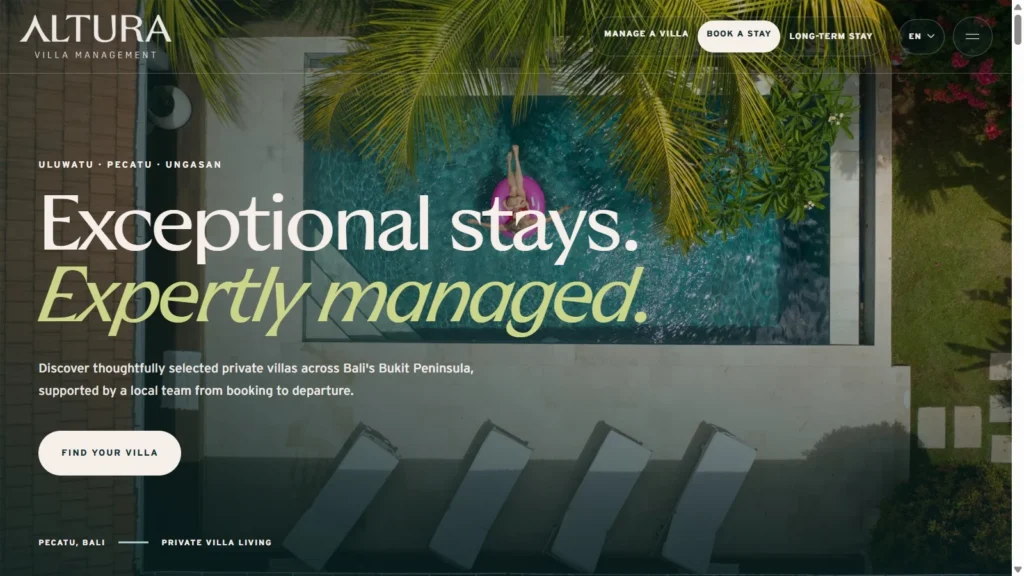
Altura Villa Management
A branded Hostaway Pro guest experience aligned with a separate Wix villa-management website.
 Web Development
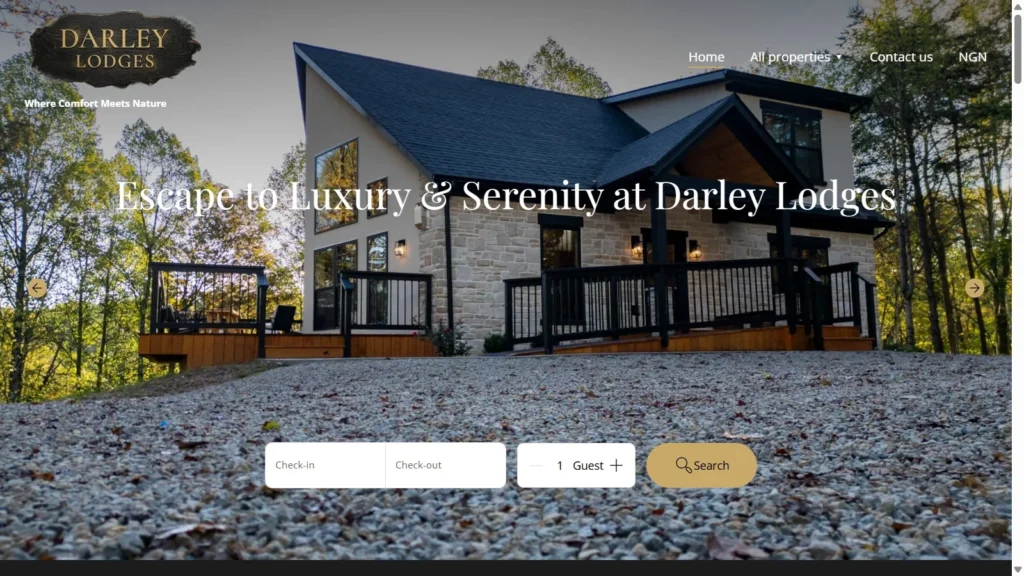
Darley Lodges
A two-property Lodgify redesign focused on distinct cabin presentation and clear direct-booking navigation.
 AI Automation
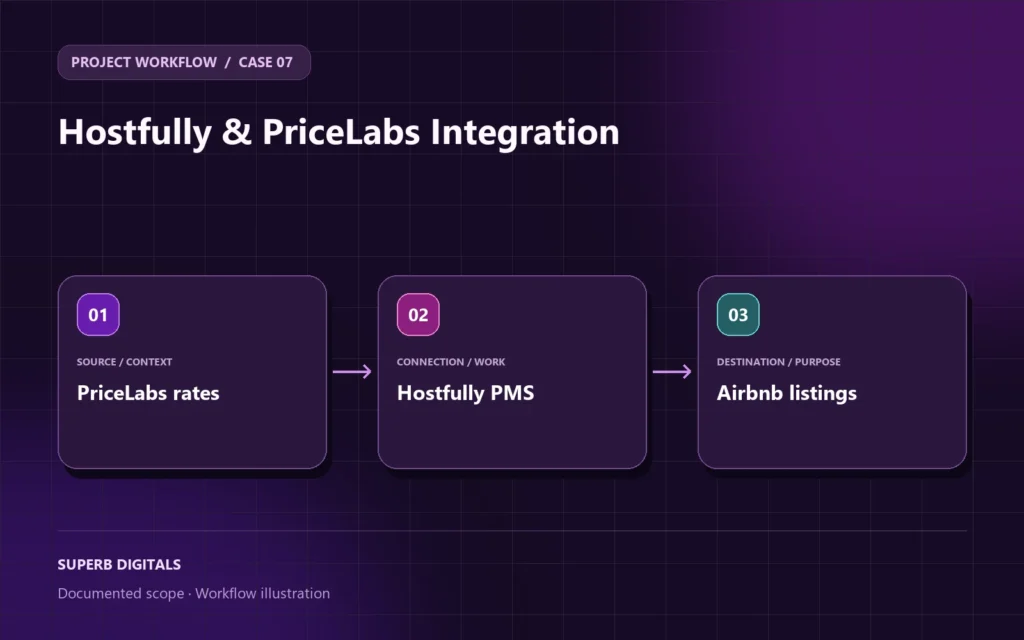
Hostfully & PriceLabs Integration
Two rental listings with different booking windows, connected pricing and practical stay-rule troubleshooting.